The Evolution of Piping Fabrication: Key Insights for Industries in the UAE
- BERG Industries
- Aug 5, 2025
- 7 min read

In the ever-evolving industrial landscape of the UAE, the need for advanced infrastructure and streamlined processes is more important than ever. Whether you're in the oil and gas sector, the construction industry, or involved in manufacturing, the backbone of many projects lies in piping fabrication. From the initial design stages to the final installation, piping fabrication plays a critical role in ensuring that systems are both functional and efficient.
Piping fabrication is at the heart of major infrastructure projects across the UAE, especially in industries that require complex fluid transportation systems, such as oil, gas, and petrochemicals. As you dive deeper into the subject, you’ll discover that elements such as chemical injection skids and tank fabrication companies in the UAE have become integral parts of this process, offering specialized solutions to meet the growing demands of these industries. By the end of this blog, you will understand the current trends and future developments in piping fabrication, and how they can add substantial value to your ongoing or future projects.
Understanding Piping Fabrication: The Basics
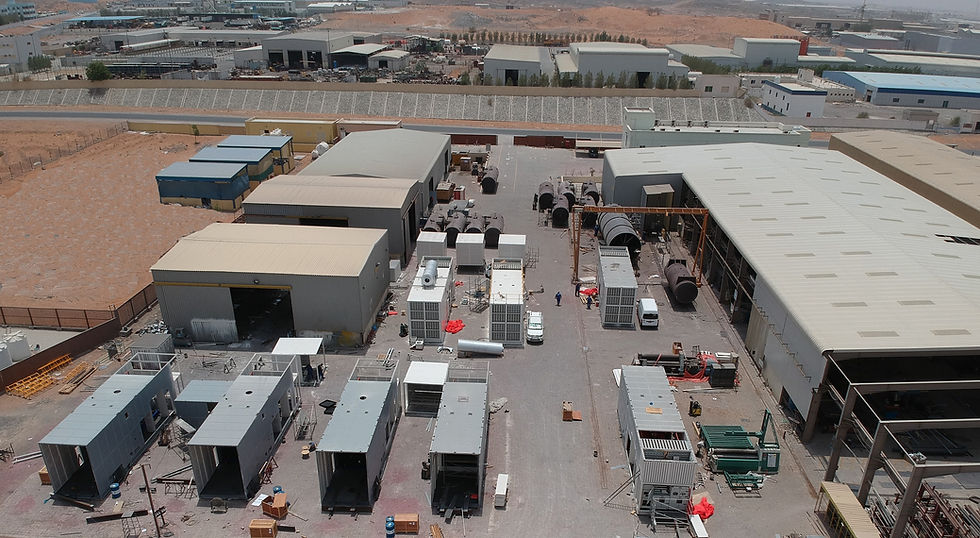
Piping fabrication refers to the process of designing, manufacturing, and assembling piping systems used in a wide range of industries. It involves cutting, welding, bending, and testing pipes and pipe components that are then transported to the site for installation. This work can be done at a fabrication shop before being sent to the project location, or it can be done directly at the construction site.
As you can imagine, piping fabrication is a delicate and highly technical task. Each project has unique requirements depending on the industry and application, and this means that a tailored approach is necessary. For example, the UAE, with its large-scale energy and infrastructure projects, requires piping systems capable of handling extreme temperatures, pressure, and chemical exposure. This is where advanced techniques and specialized companies come into play.
Key Components in Piping Fabrication: Chemical Injection Skid
One critical element in piping fabrication, particularly in the oil and gas industry, is the chemical injection skid. A chemical injection skid is a fully integrated system designed for the controlled injection of chemicals into pipelines or equipment. These skids are often used for applications such as corrosion control, scale inhibition, and gas dehydration, which are common in oilfields and refineries.
The design of chemical injection skids is complex, requiring a detailed understanding of both the chemicals being used and the environment in which they will be injected. Fabrication companies must ensure that the skid is capable of handling both the chemical and pressure conditions of the system, ensuring a smooth and reliable operation.
In the UAE, chemical injection skids are critical for oil and gas production, especially in offshore platforms and remote oilfields. Understanding how to fabricate these skids efficiently can help ensure the system operates smoothly, without leakage or malfunction, which could result in costly downtime or environmental damage.
Why Chemical Injection Skids Are Important
Efficient Chemical Management Chemical injection skids allow for precise and controlled dosing of chemicals. This reduces wastage and ensures that the right amount of chemicals is added at the right time, thus optimizing operational costs.
Safety and Reliability Skids are designed to handle hazardous chemicals safely. This means they must be built with robust materials and structures to avoid leaks or contamination, which could pose significant health and environmental risks.
Customization Since the needs of each project can differ, chemical injection skids are often custom-designed to fit the exact requirements of a particular pipeline or piece of equipment. This is where the expertise of piping fabrication companies comes into play, providing tailored solutions to meet the complex needs of different industries.
Space and Mobility These skids are typically compact and modular, making them easy to transport and install in locations that may be difficult to access, such as offshore platforms or remote oilfields in the UAE.
Tank Fabrication Companies in the UAE: Their Role in Industrial Projects
Another crucial aspect of piping fabrication is tank fabrication. Tanks are vital components in many industrial processes, particularly in the oil and gas, petrochemical, and water treatment industries. In the UAE, the demand for large-scale storage tanks has grown rapidly due to the expansion of oilfields, refineries, and energy plants.
Tank fabrication companies in the UAE are specialized in the design, construction, and installation of storage tanks that are used for the storage of liquids, gases, and other materials. The fabrication of these tanks requires high-quality materials, precision engineering, and stringent safety protocols. Understanding the role of these companies can give you valuable insights into how tank fabrication integrates with piping systems to create seamless, reliable industrial operations.
Types of Tanks Fabricated in the UAE
Aboveground Storage Tanks (AST) These are typically used for storing liquids and are often found in petrochemical plants, refineries, and chemical processing facilities. They are designed to withstand harsh environmental conditions and large volumes of material.
Underground Storage Tanks (UST) USTs are typically used for the storage of hazardous chemicals, fuels, and water. These tanks are fabricated to meet strict safety standards to prevent leakage or contamination of the environment.
Pressure Vessels A subcategory of tank fabrication, pressure vessels are designed to store gases or liquids at high pressure. These tanks are used in power generation plants, oil and gas refineries, and chemical processing plants, where pressure control is critical for safety.
Cryogenic Tanks These tanks are designed to store liquefied gases such as LNG (liquefied natural gas) at extremely low temperatures. The fabrication of cryogenic tanks requires specialized materials and construction techniques to ensure that the tanks can maintain the low temperatures without compromising their structural integrity.
Key Considerations for Tank Fabrication in the UAE
Materials Selection In a region like the UAE, where extreme temperatures and harsh weather conditions are common, the choice of materials for tank fabrication is crucial. Fabrication companies often use high-strength steel alloys that can withstand corrosion and stress, ensuring that the tanks remain functional over time.
Safety Standards Given the hazardous nature of the materials stored in tanks, tank fabrication companies in the UAE must comply with stringent local and international safety regulations. These standards ensure that tanks are built to prevent leaks, corrosion, and other risks that could lead to catastrophic consequences.
Customization Tank fabrication often requires a custom approach to meet specific project requirements. Whether it’s for a specific size, capacity, or pressure rating, tank fabrication companies work closely with clients to design tanks that meet their operational needs.
The Process of Piping Fabrication in the UAE
The piping fabrication process in the UAE follows a set of standardized steps that ensure high-quality, precise work. It is a combination of design, manufacturing, and testing to produce pipes, fittings, and components that are ready for installation.
1. Design and Planning
Before any physical work begins, piping systems are designed according to the specific requirements of the project. This involves detailed engineering, taking into account factors like the fluid to be transported, pressure, temperature, and environmental conditions. For specialized systems like chemical injection skids, the design process also involves understanding the unique chemical and safety requirements.
2. Material Selection
Depending on the environment in which the piping system will operate, different materials are chosen. In the UAE, where high temperatures and corrosion are common concerns, materials such as stainless steel, carbon steel, and high-alloy steels are often selected for their durability and resistance to environmental stress.
3. Fabrication and Assembly
Once the design is complete, the pipes and components are fabricated in a controlled environment. This stage involves cutting, bending, welding, and assembling the pipes. For large projects, such as oil and gas infrastructure in the UAE, this work is usually done off-site in a fabrication facility before being transported to the project location.
4. Quality Control and Testing
Quality control is a vital part of the fabrication process. All pipes and components are subject to rigorous testing to ensure they meet the required standards. This includes pressure testing, welding inspections, and chemical resistance testing to ensure that the system will function safely and efficiently once installed.
5. Transportation and Installation
After the fabrication process is complete, the pipes are transported to the construction site, where they are assembled into the final system. Proper handling and transportation are essential to prevent any damage to the fabricated pipes, ensuring the system works as intended.
Challenges in Piping Fabrication and How to Overcome Them
The UAE’s extreme climate presents several challenges for piping fabrication. From the intense heat and humidity to the sandstorms that can affect visibility and working conditions, it is essential for fabrication companies to take these factors into account when planning and executing their work.
Corrosion Resistance Corrosion can be a significant problem in piping systems, especially in industries such as oil and gas where the pipes are constantly exposed to aggressive chemicals. Fabrication companies in the UAE often use corrosion-resistant alloys and apply protective coatings to ensure that the piping systems maintain their integrity over time.
Pressure and Temperature Control Many of the systems being fabricated in the UAE require pipes that can withstand high-pressure conditions. Specialized materials and construction techniques are used to ensure the pipes can handle extreme pressure and temperature variations.
Skilled Labor Shortage As with many industries in the UAE, the demand for skilled workers in the piping fabrication sector is high. The solution lies in investing in ongoing training and development programs for workers to ensure that they are up to date with the latest fabrication technologies and safety protocols.
Conclusion
Piping fabrication is a cornerstone of many industrial sectors in the UAE, especially in oil, gas, and petrochemical industries where precision, safety, and durability are essential. With the growing demand for specialized systems such as chemical injection skids and the increasing need for advanced tank fabrication companies in UAE that can deliver high-quality, custom solutions will always be in high demand. By understanding the importance of piping fabrication and the associated components, you are better equipped to manage complex projects and ensure success in this highly competitive and dynamic environment.


Comments